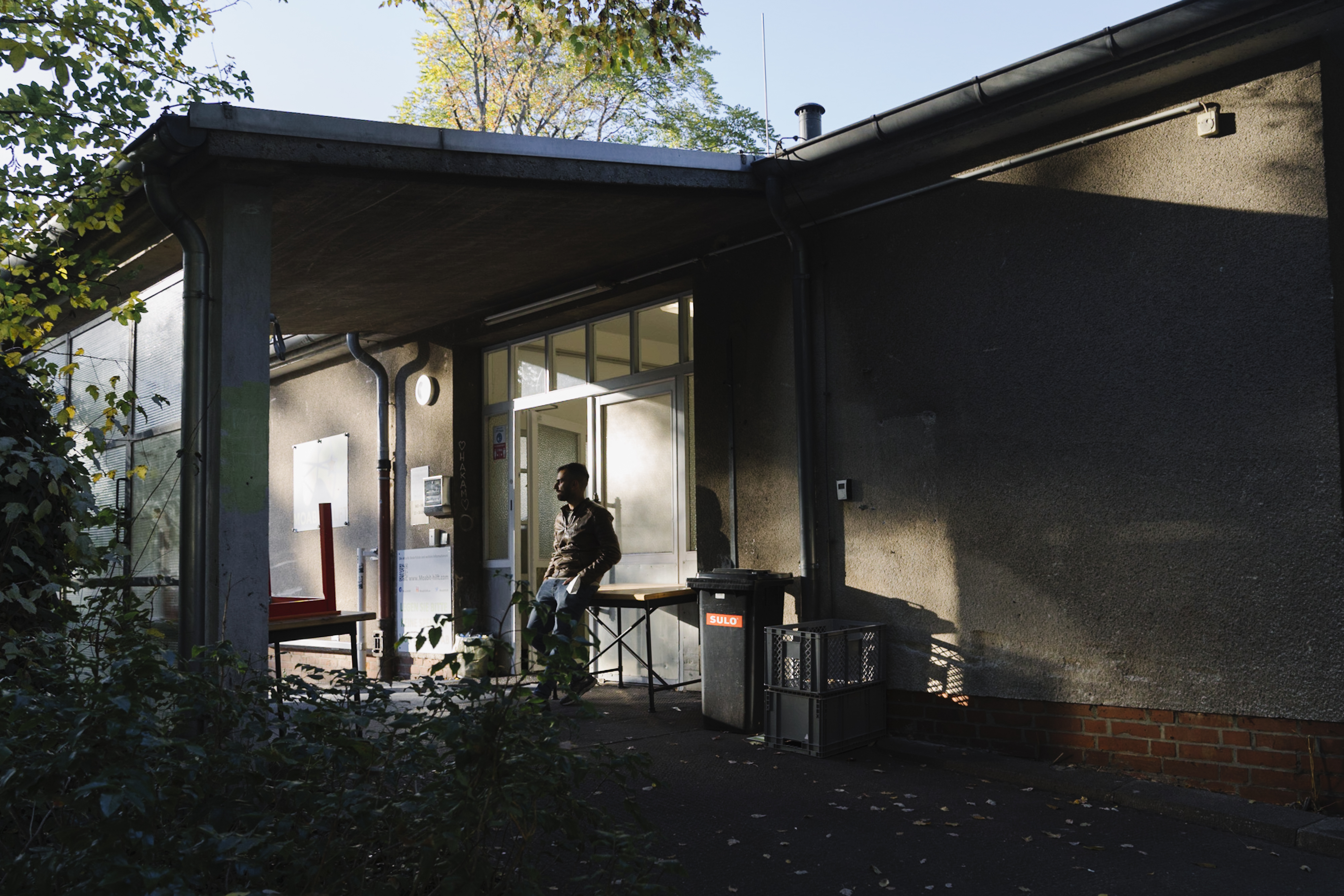
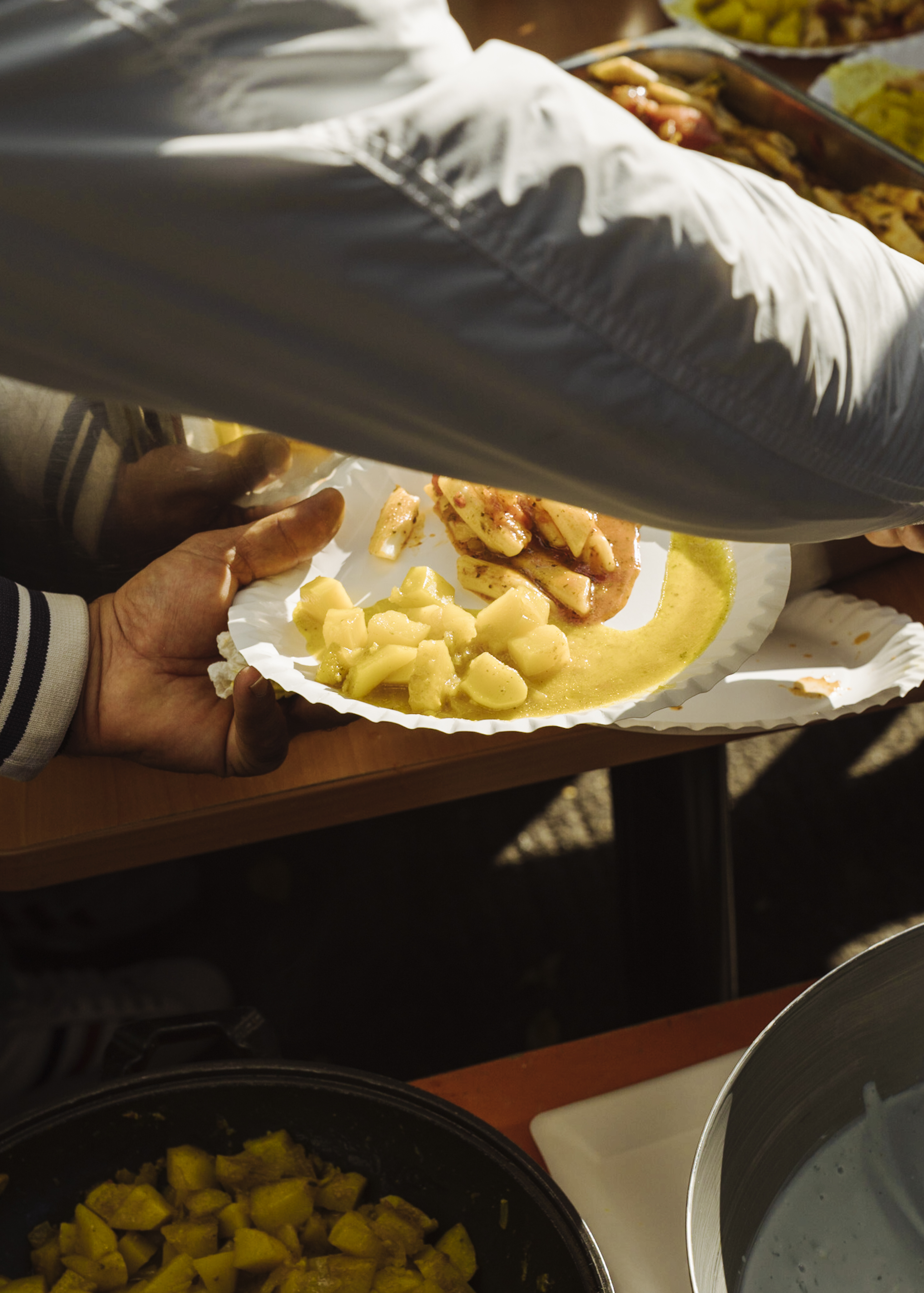
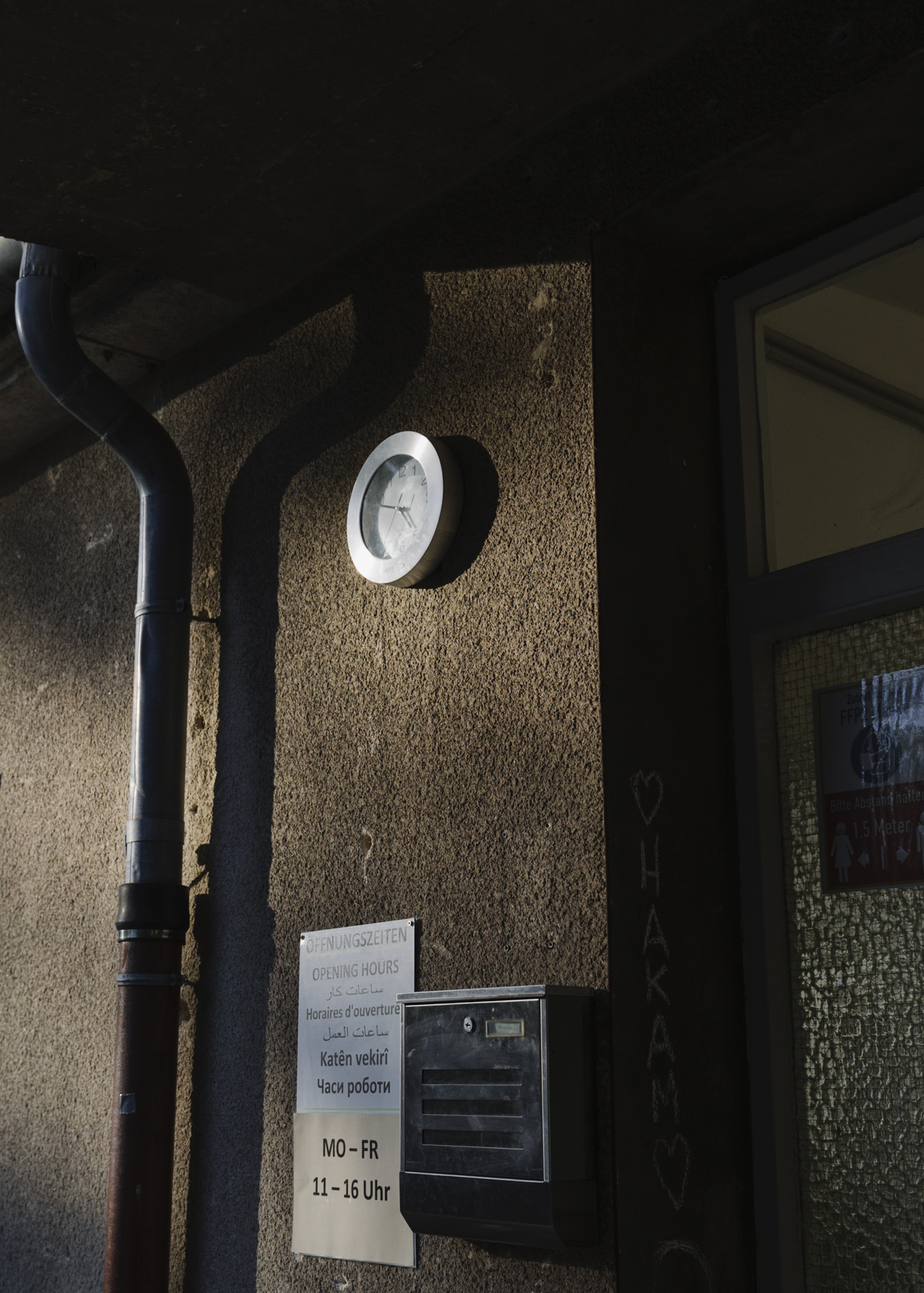
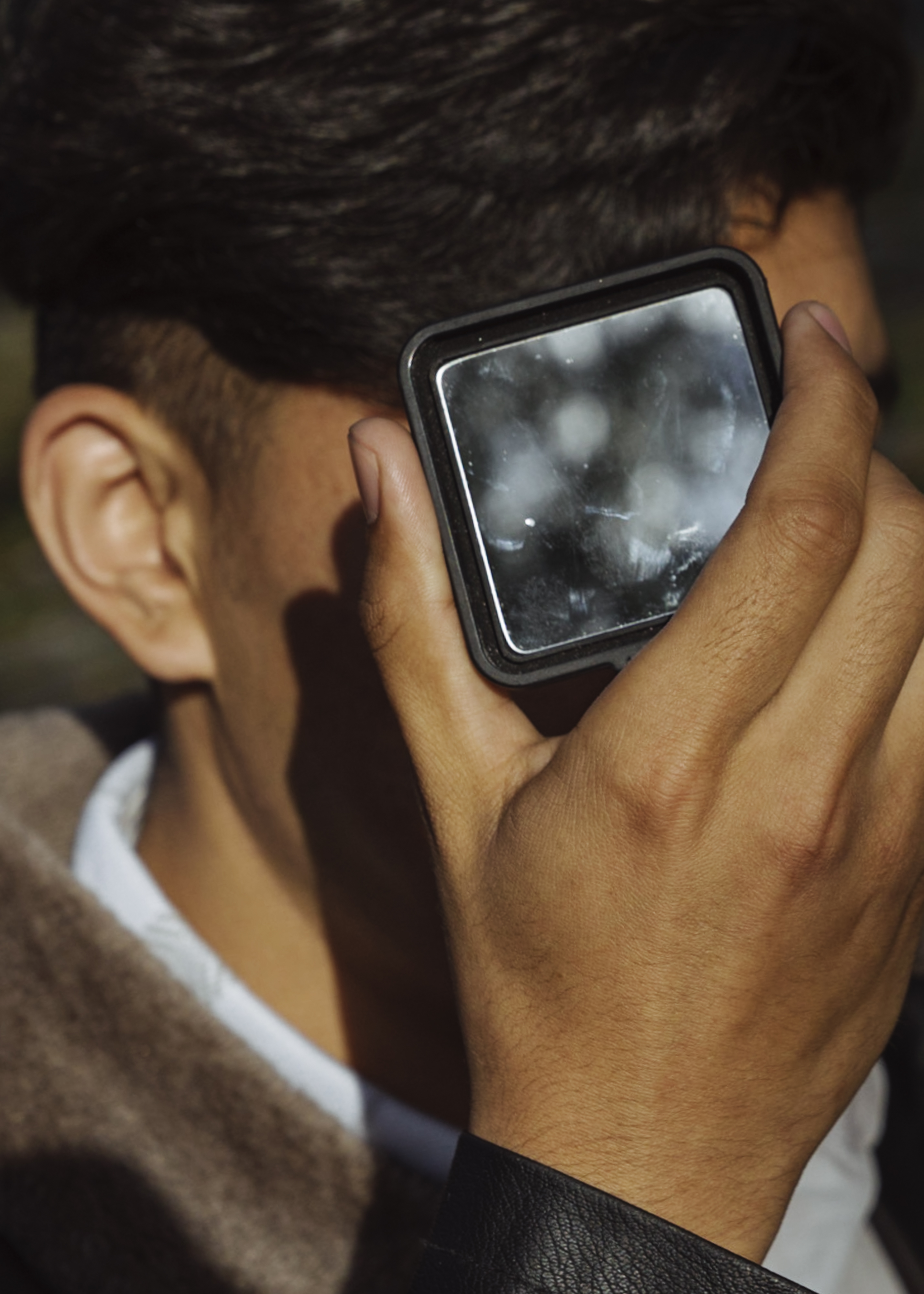
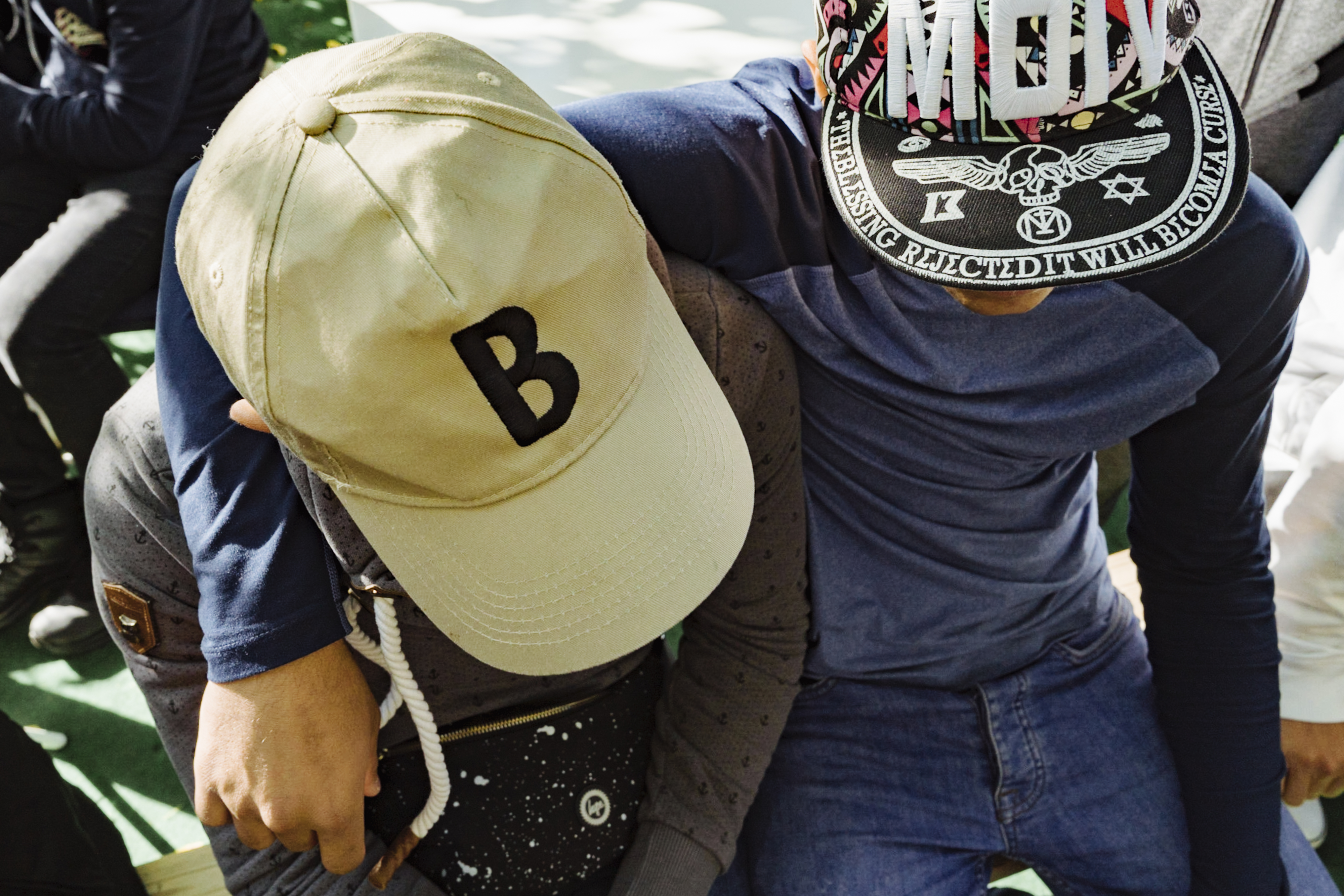
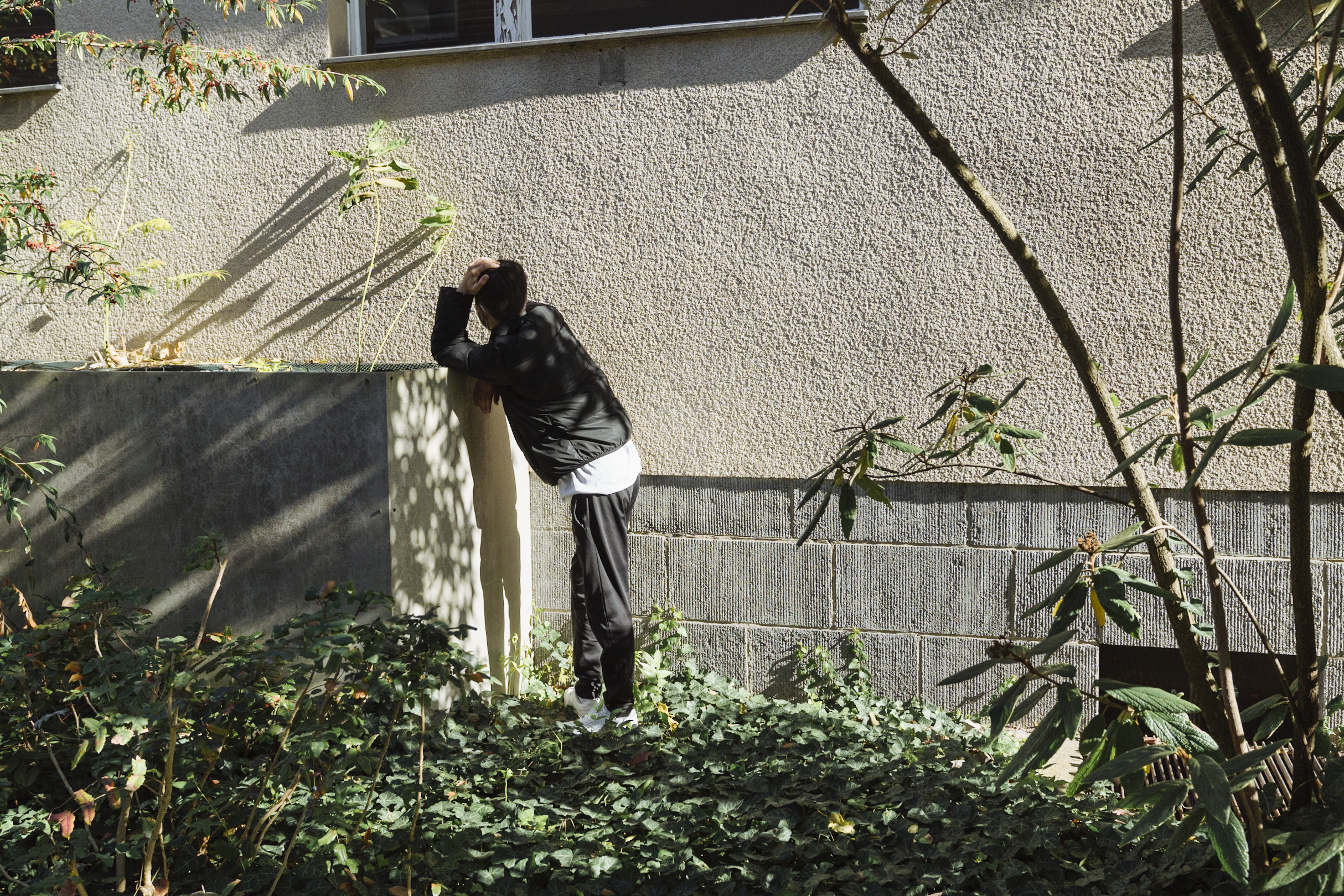
Unaccompanied minors from Afghanistan, Iraq and Syria in Berlin. Although the state of Germany has a mandatory legal guardian role, a lot of them are living under poor conditions, with little medical, financial or humanitarian support.
Photographed for Zeit Online
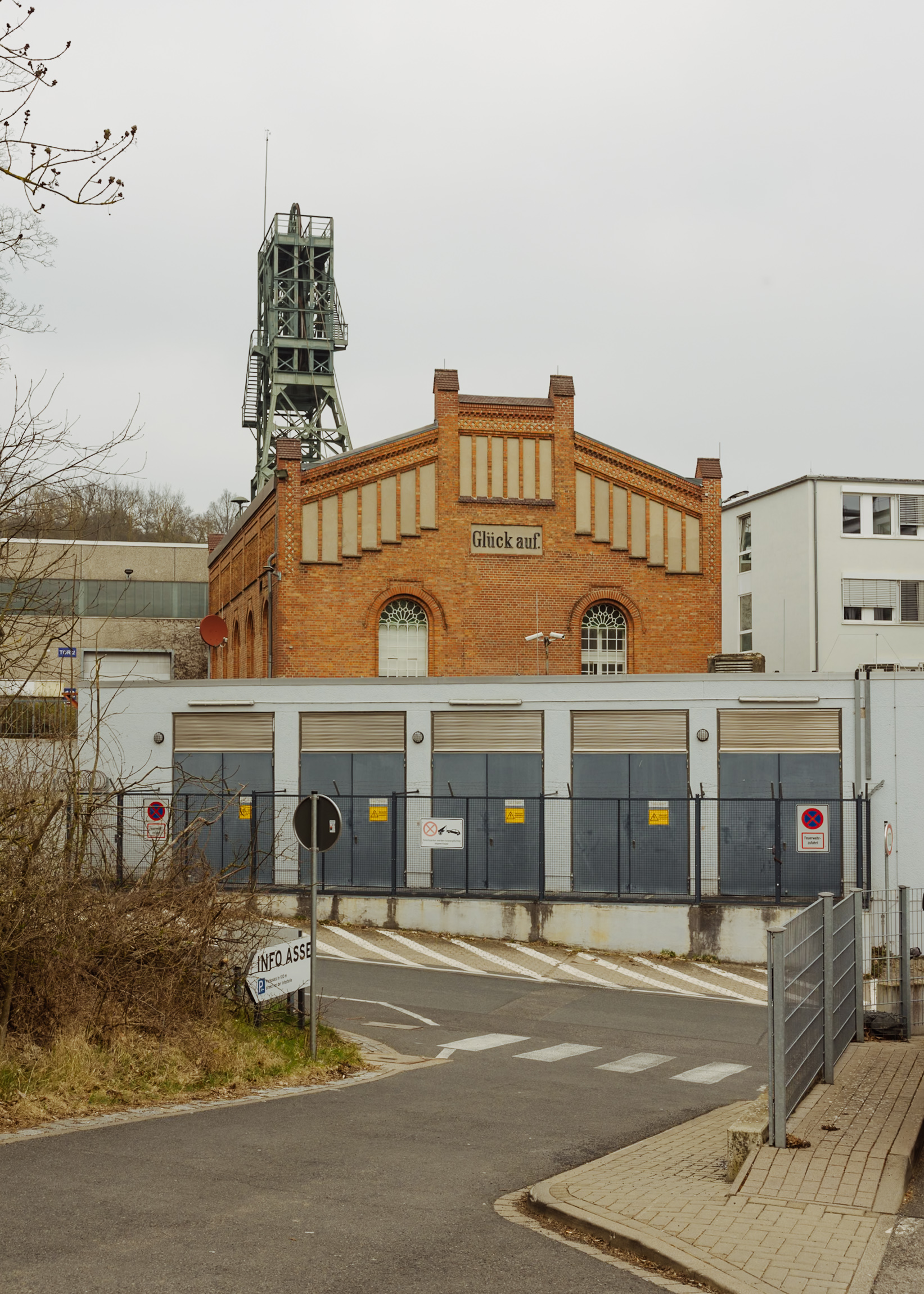
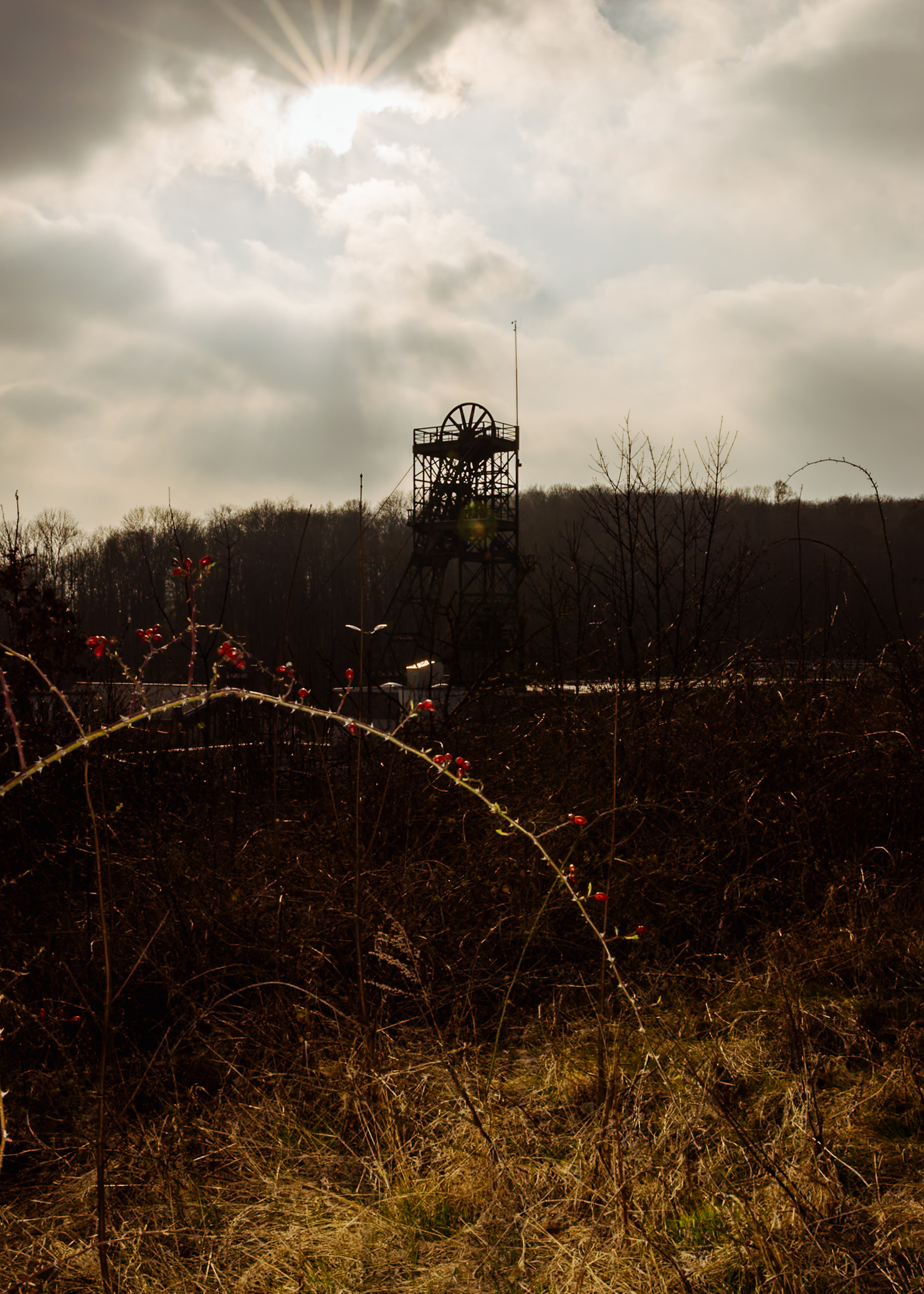
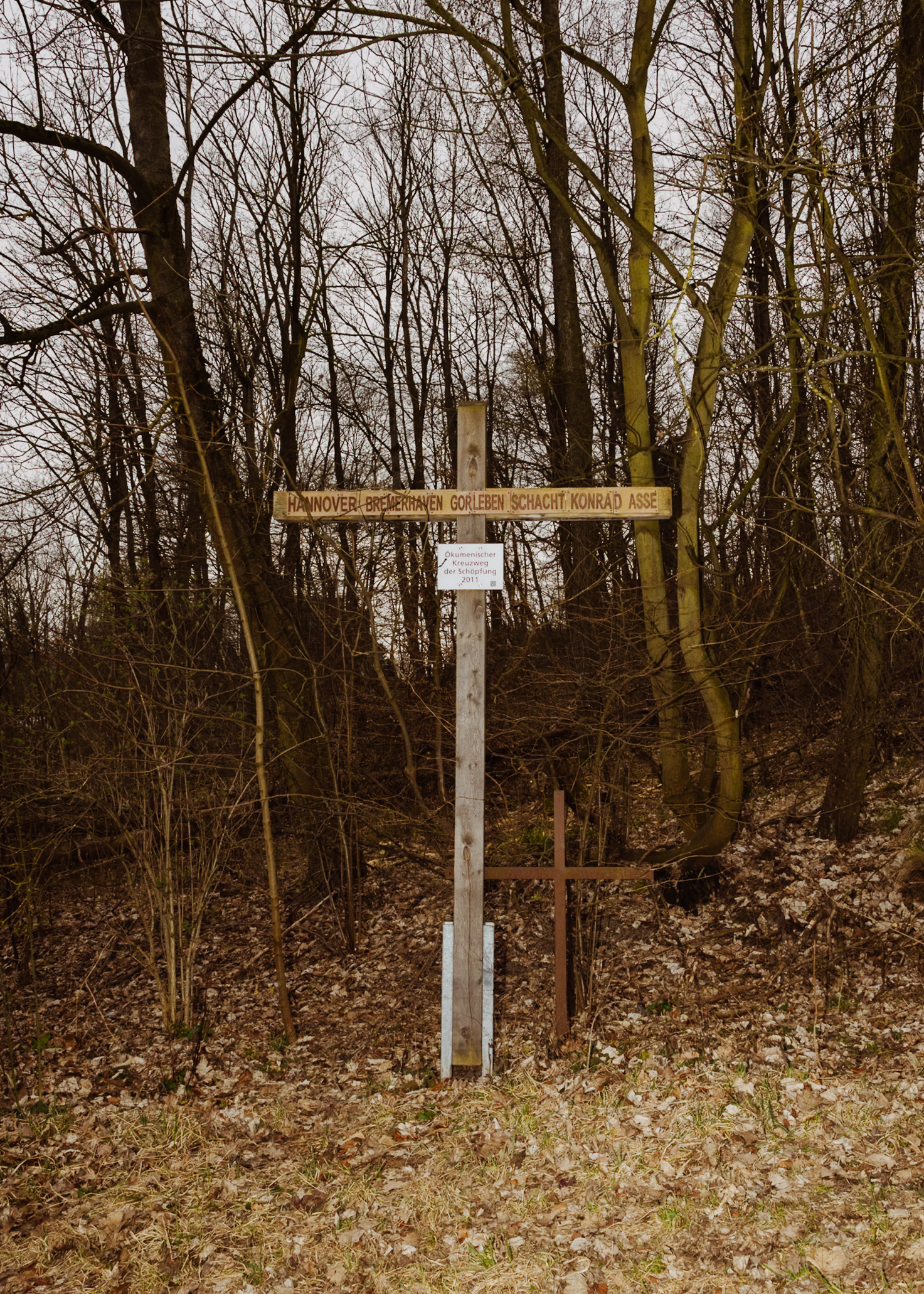
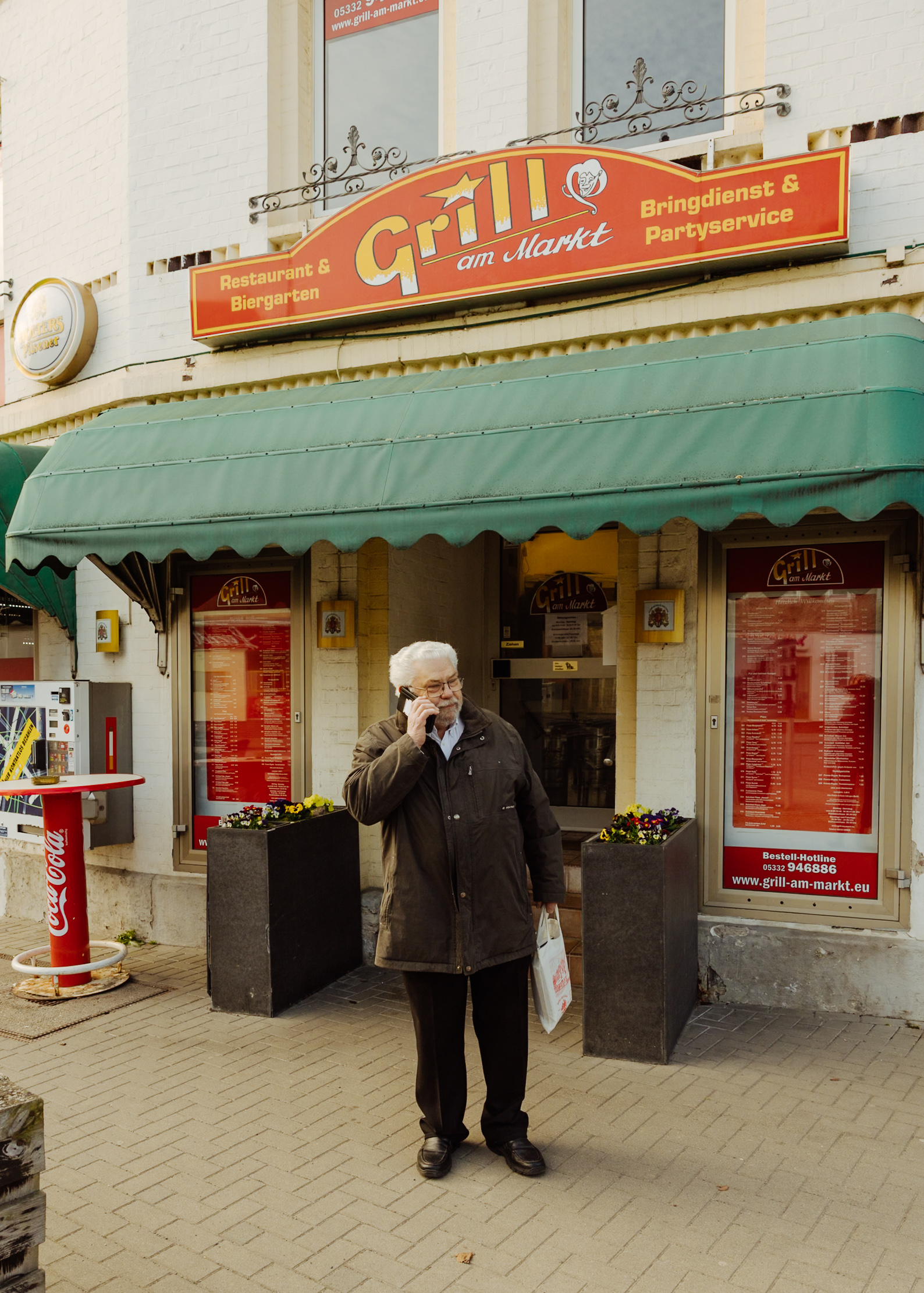
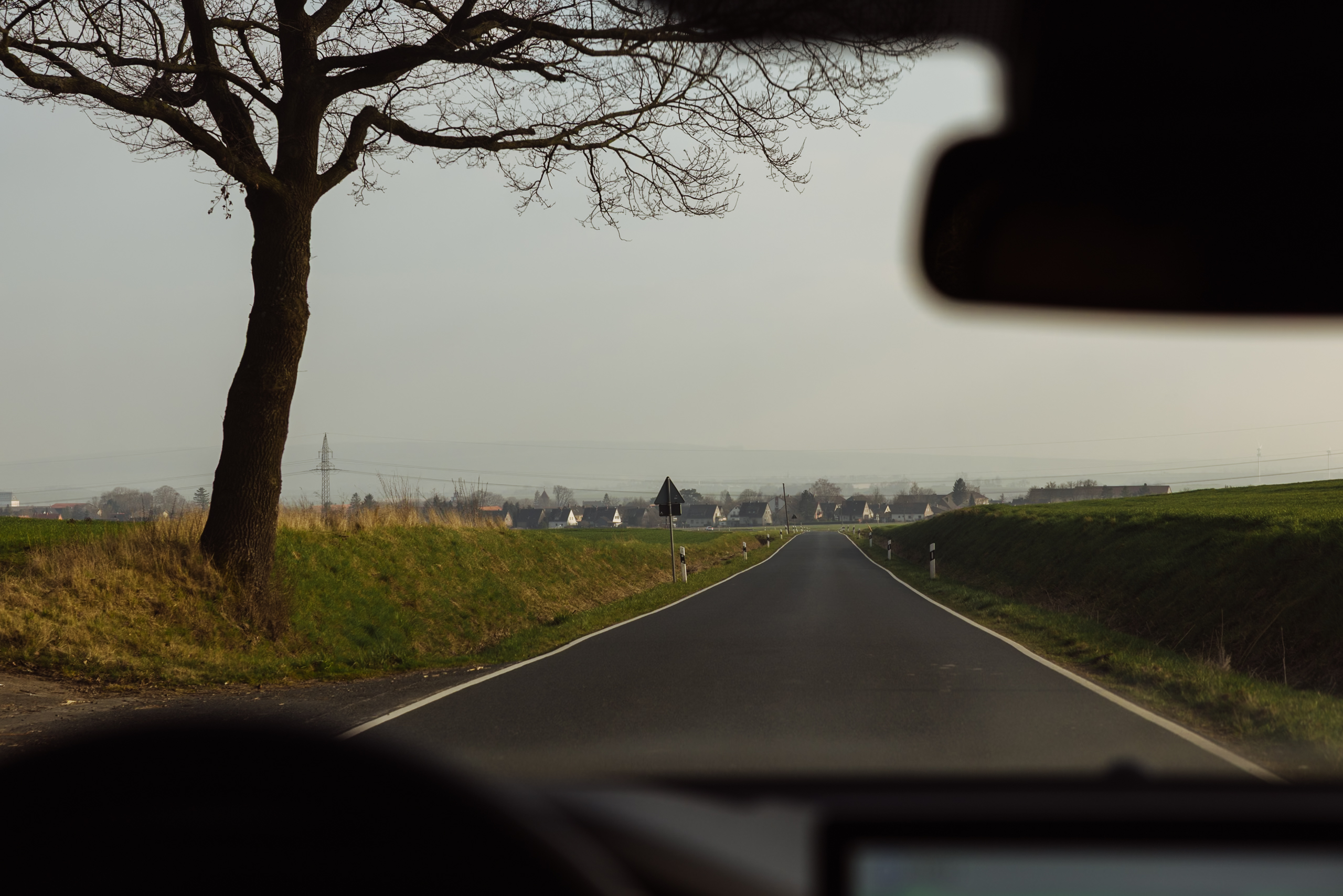
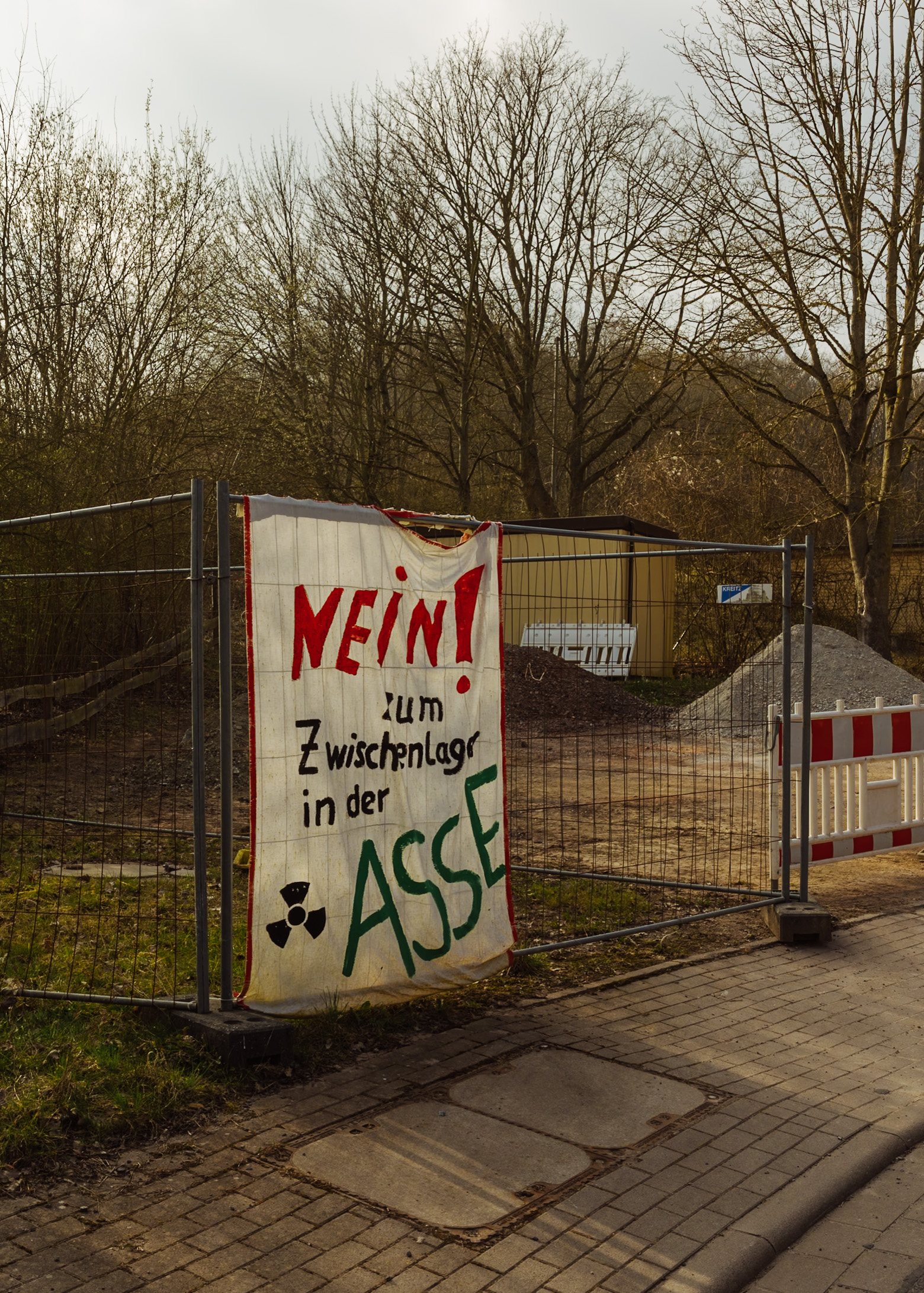
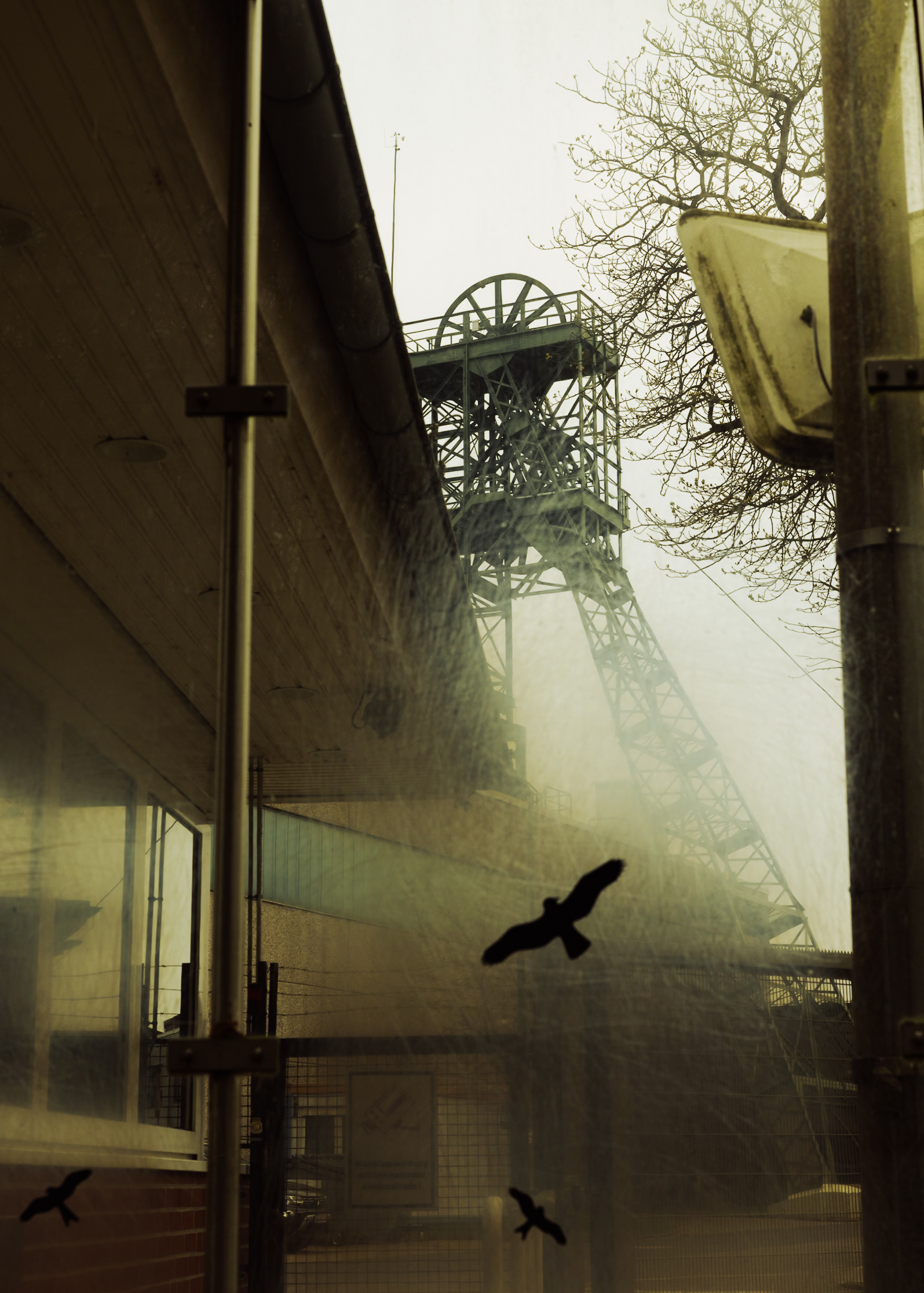
In April 2025, writer Arvid Jurjaks and I visited the Asse nuclear waste repository that has become one of Germany’s major environmental scandals. Once a symbol of hope for the country’s nuclear industry, now a textbook example of failure. Asse is filling with water. Some of the water that once “disappeared” underground has since been traced again; it wasn’t radioactive yet, but could become so if it reaches the waste chambers. For years, workers have tried to collect the inflowing brine before it drips onto the partly damaged barrels, a Sisyphean task with no guarantee of success.
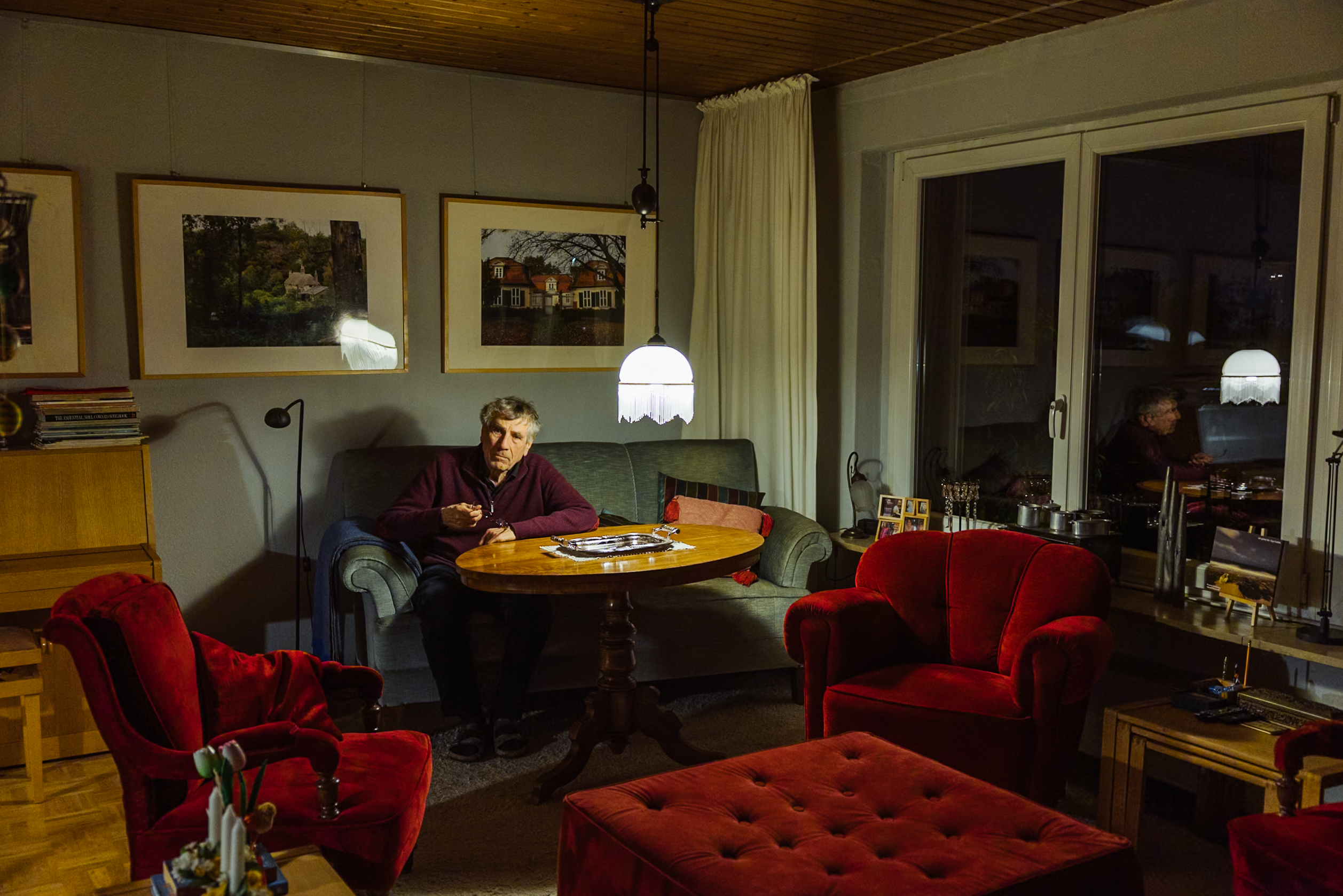
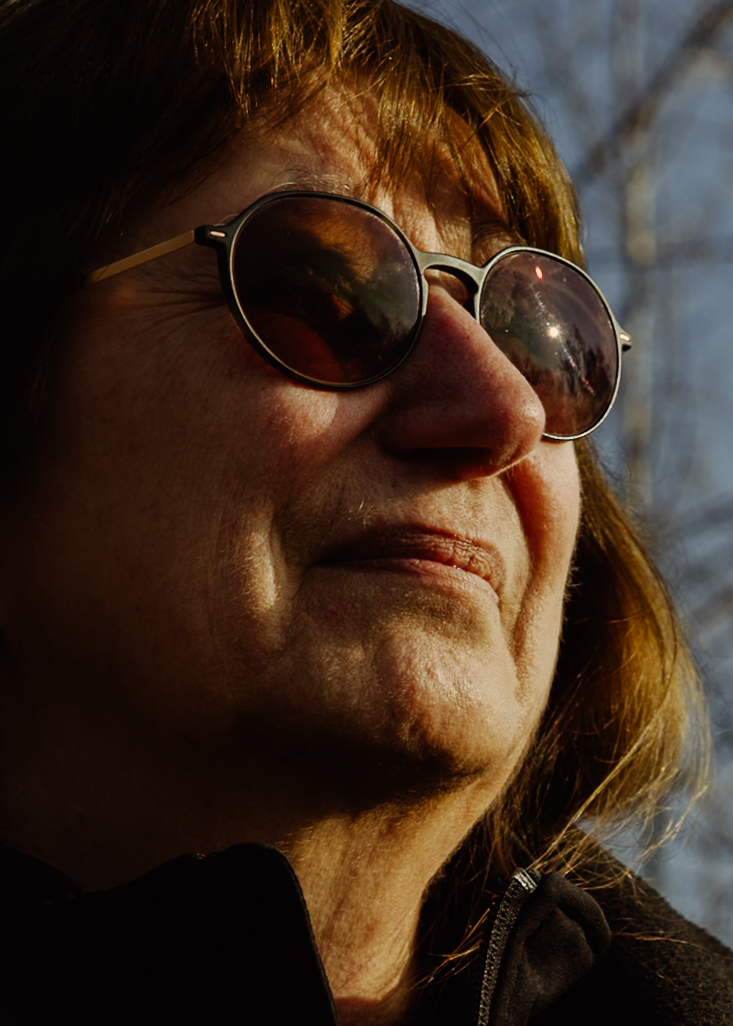
While politicians keep postponing the costly retrieval of the waste from one legislative term to the next, only a few elderly local activists continue to push for accountability—among them Mrs. Wiegel and deacon Koch who offers nuclear counseling.
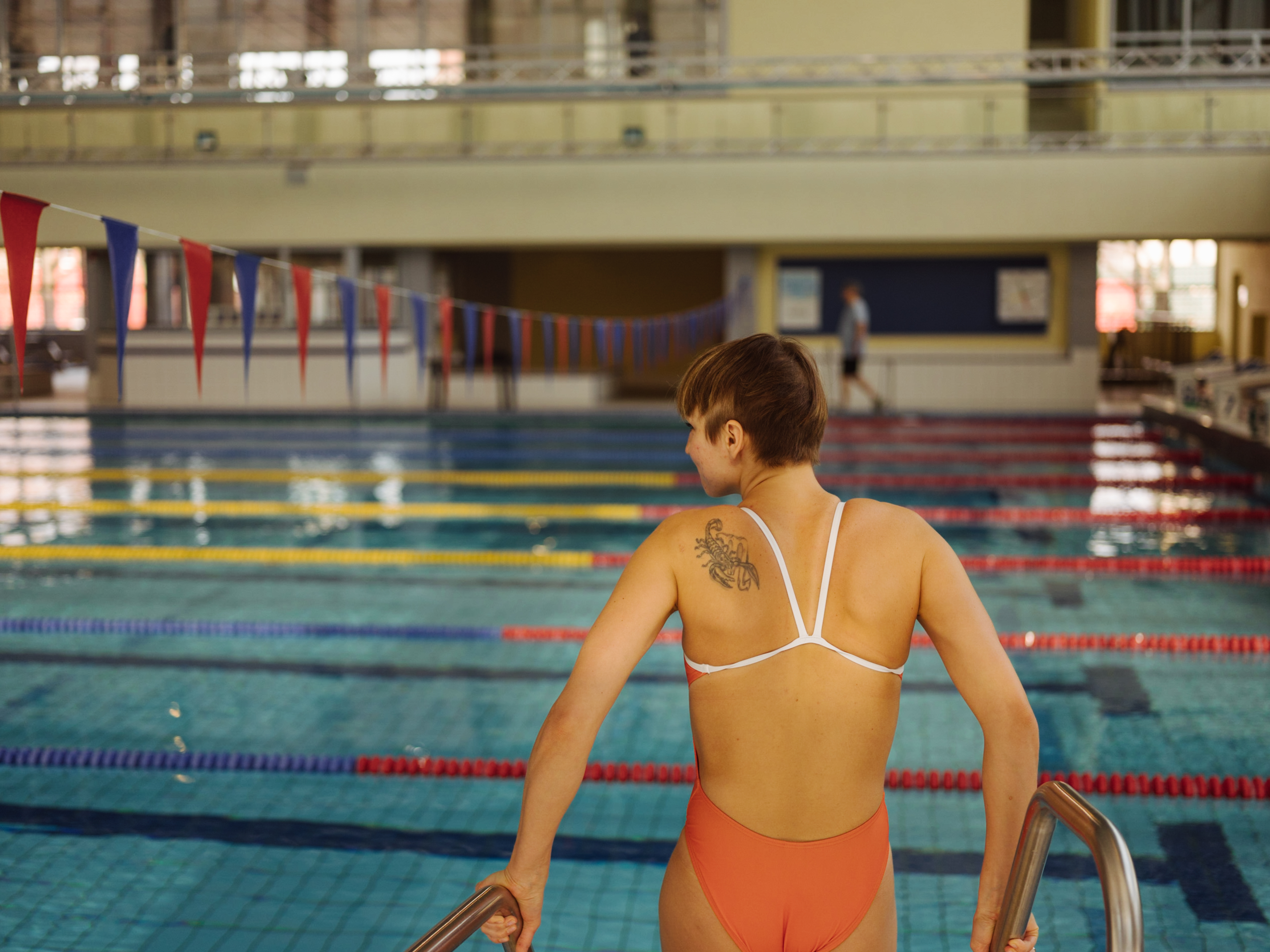
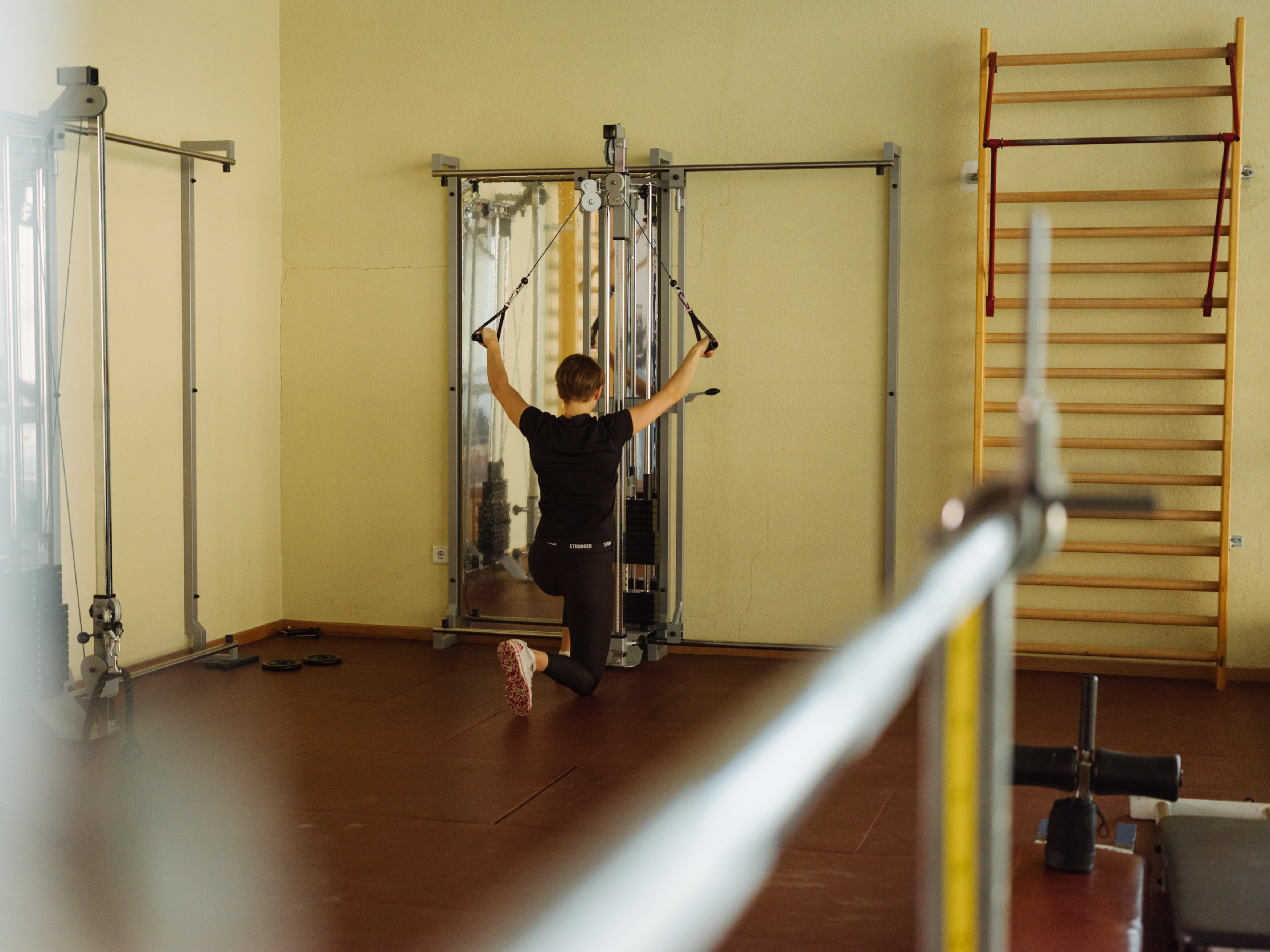
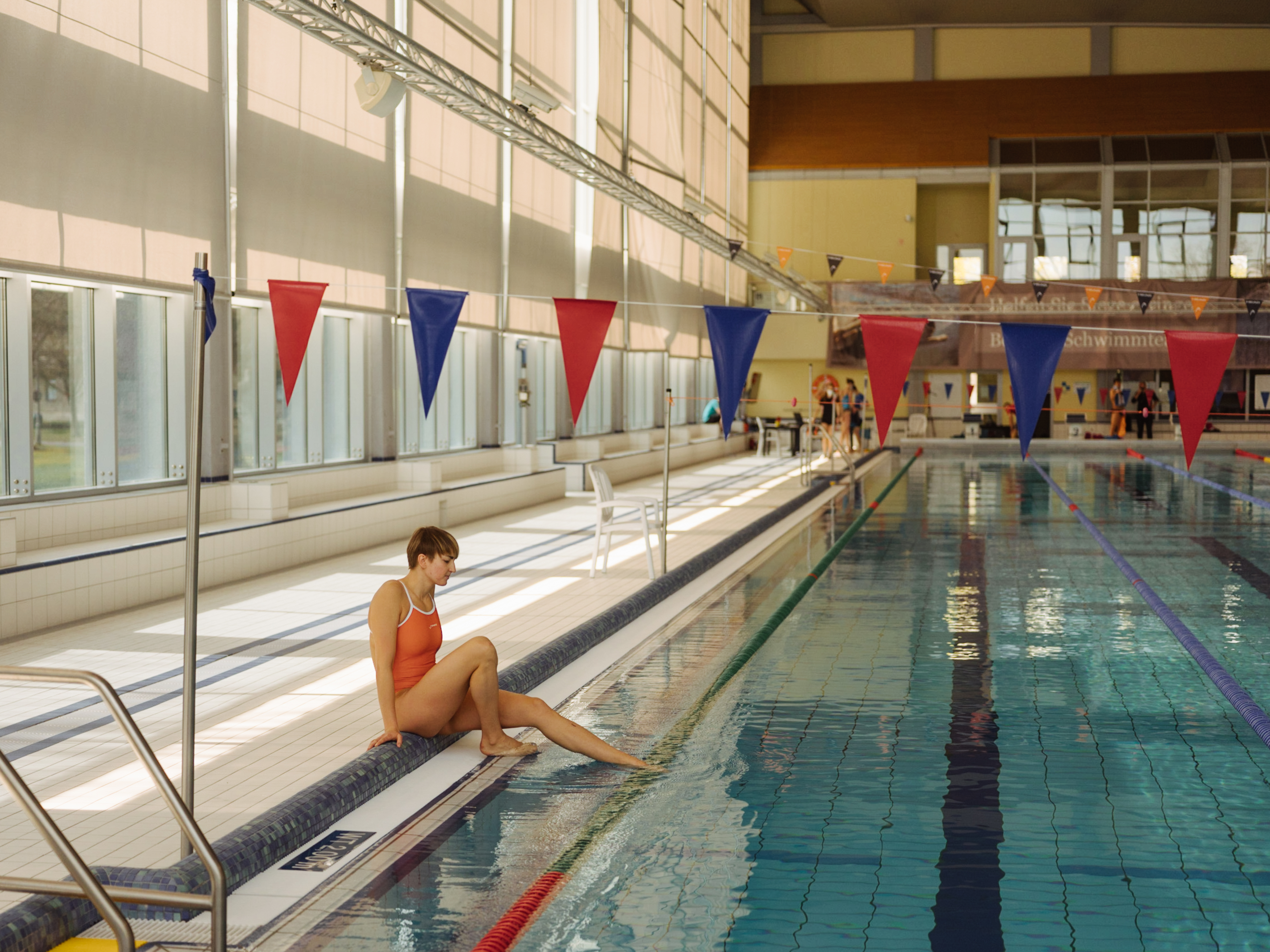
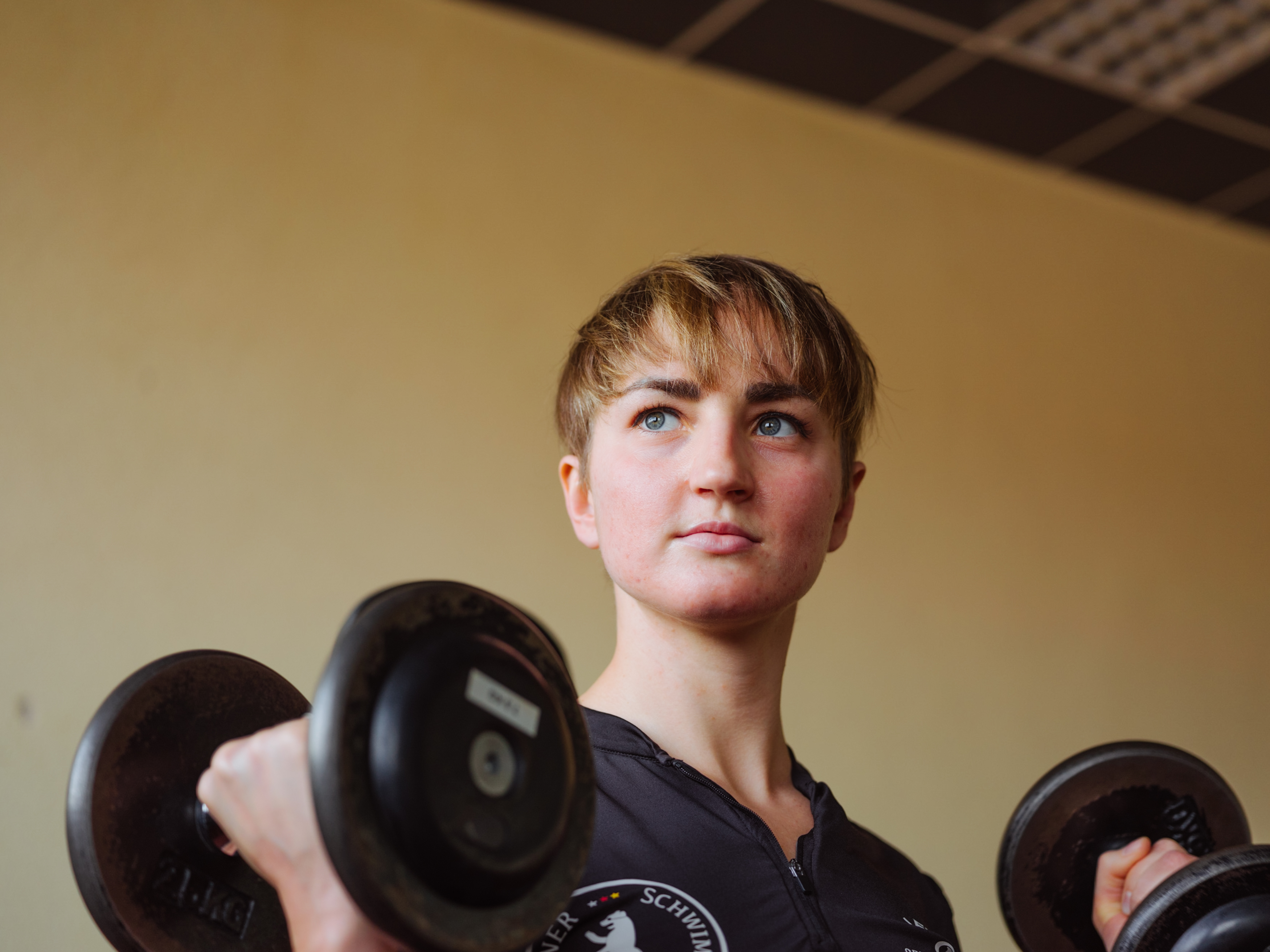
Blind Para-Swimmer Elena Semechin, who just got diagnosed with brain cancer, but continues to swim and train.
Photographed for Zeit Online
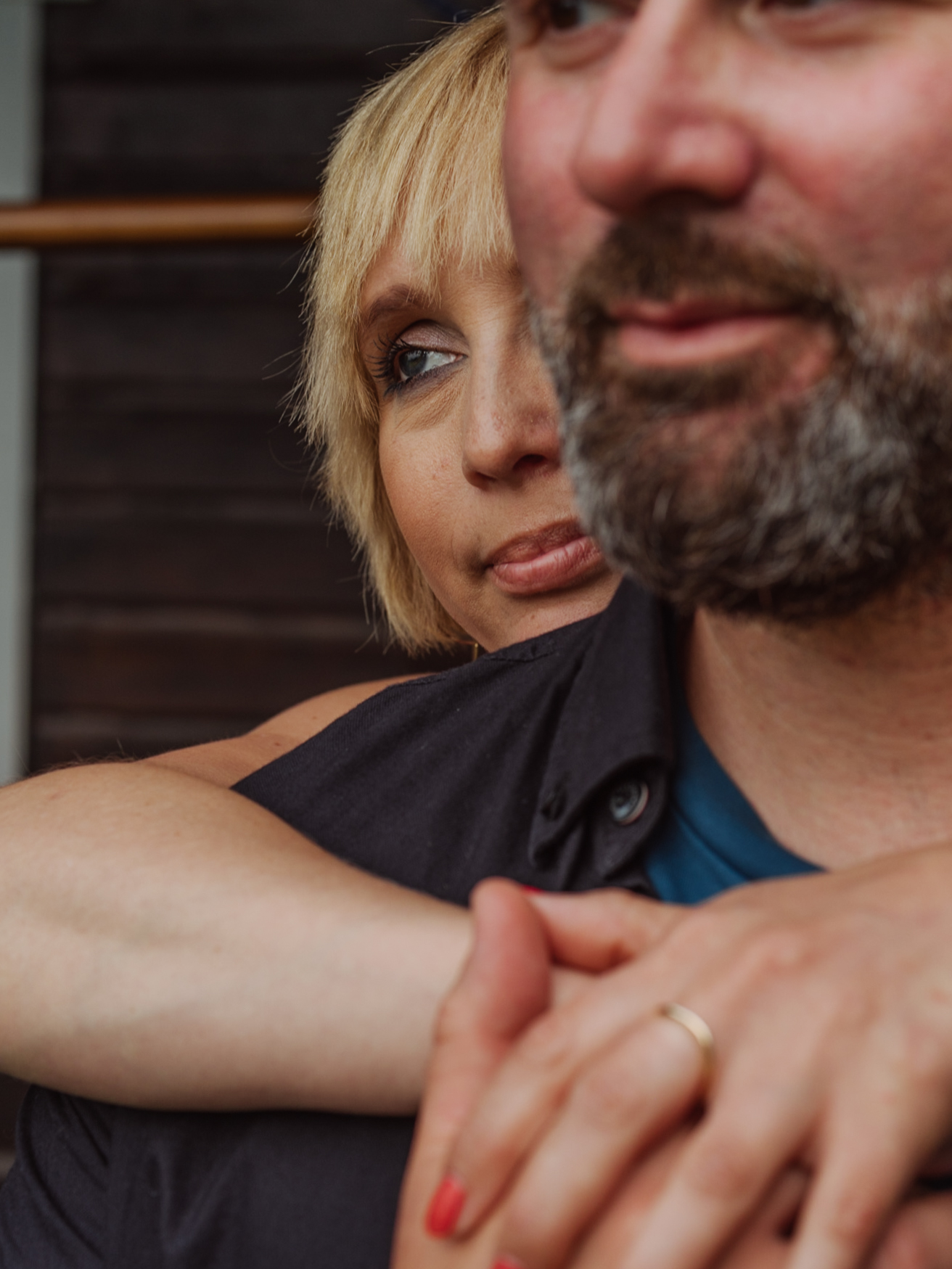
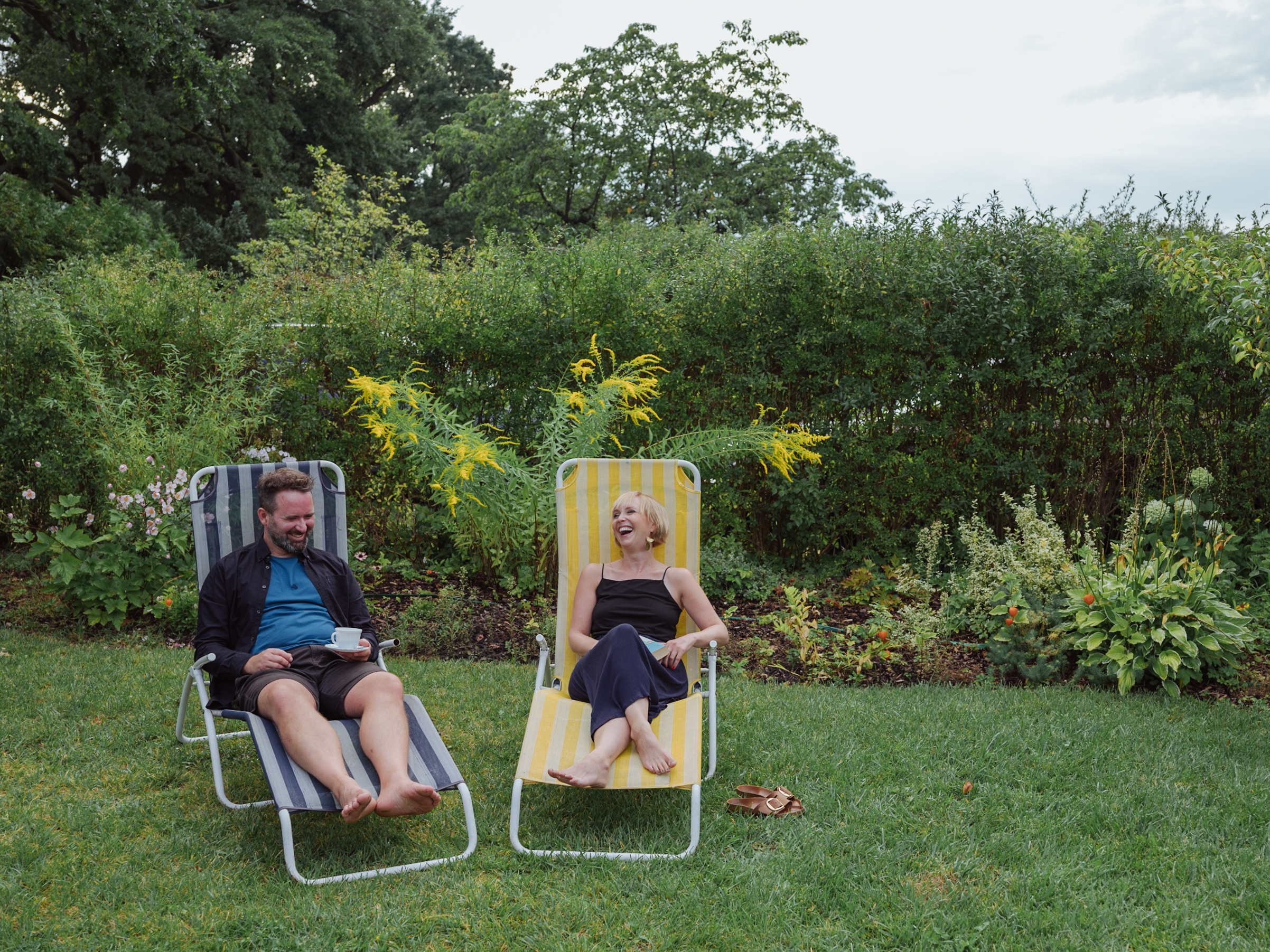
Karolin Nuckel was diagnosed with terminal colon cancer in her early 30s. Together with her partner Samad Berdjas she wrote a book about how to deal with this.
Photographed for Zeit Online in their garden.
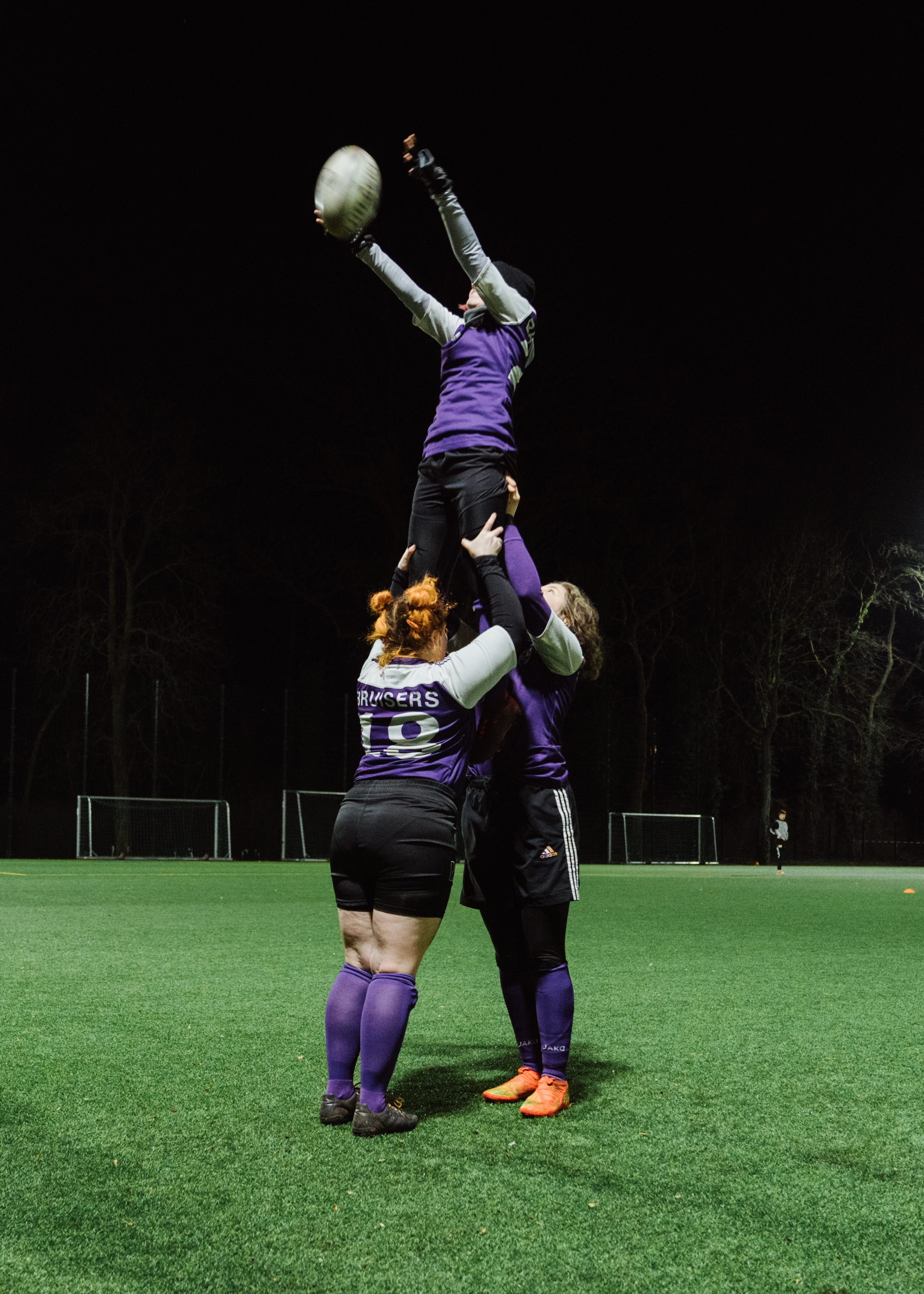
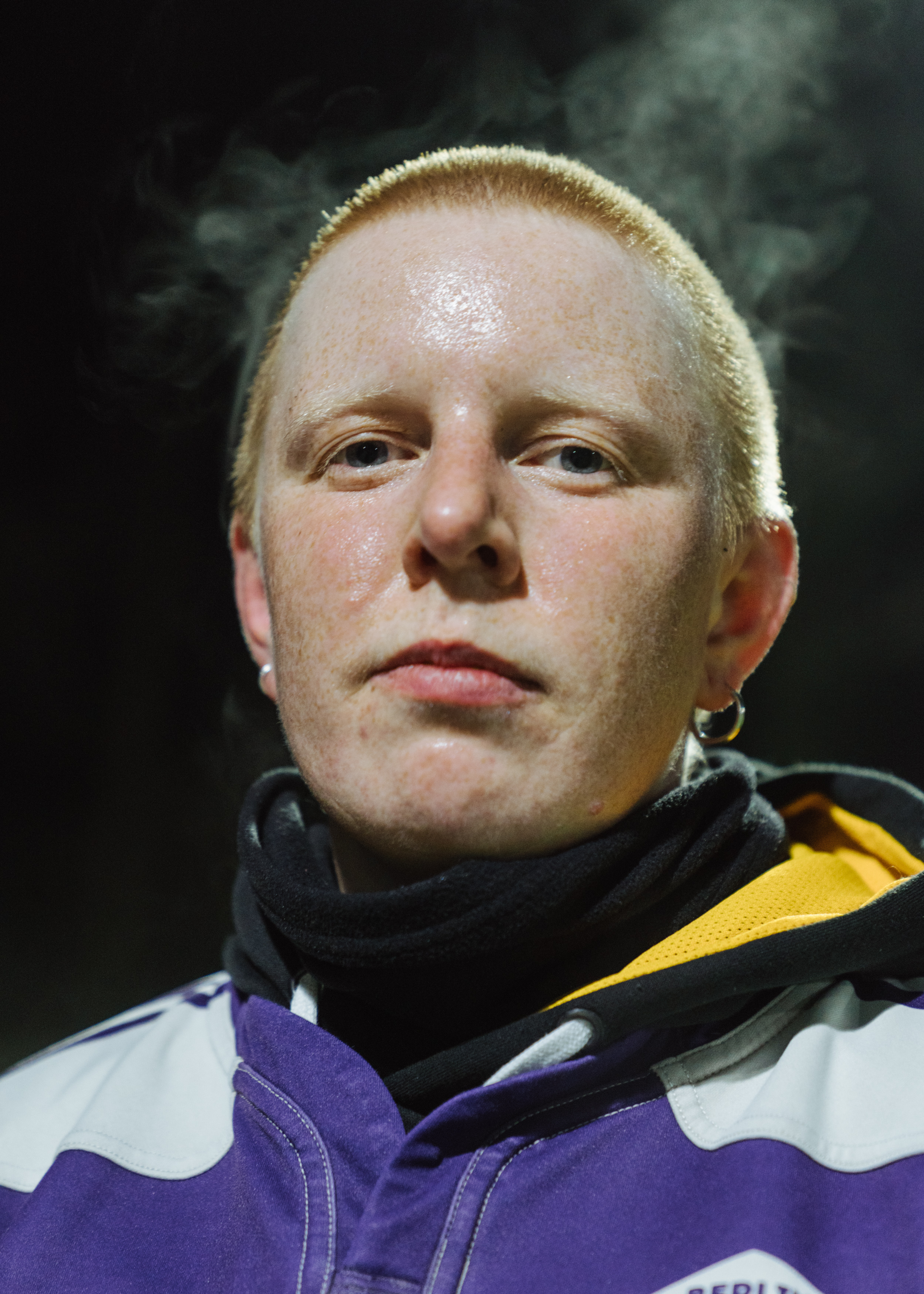
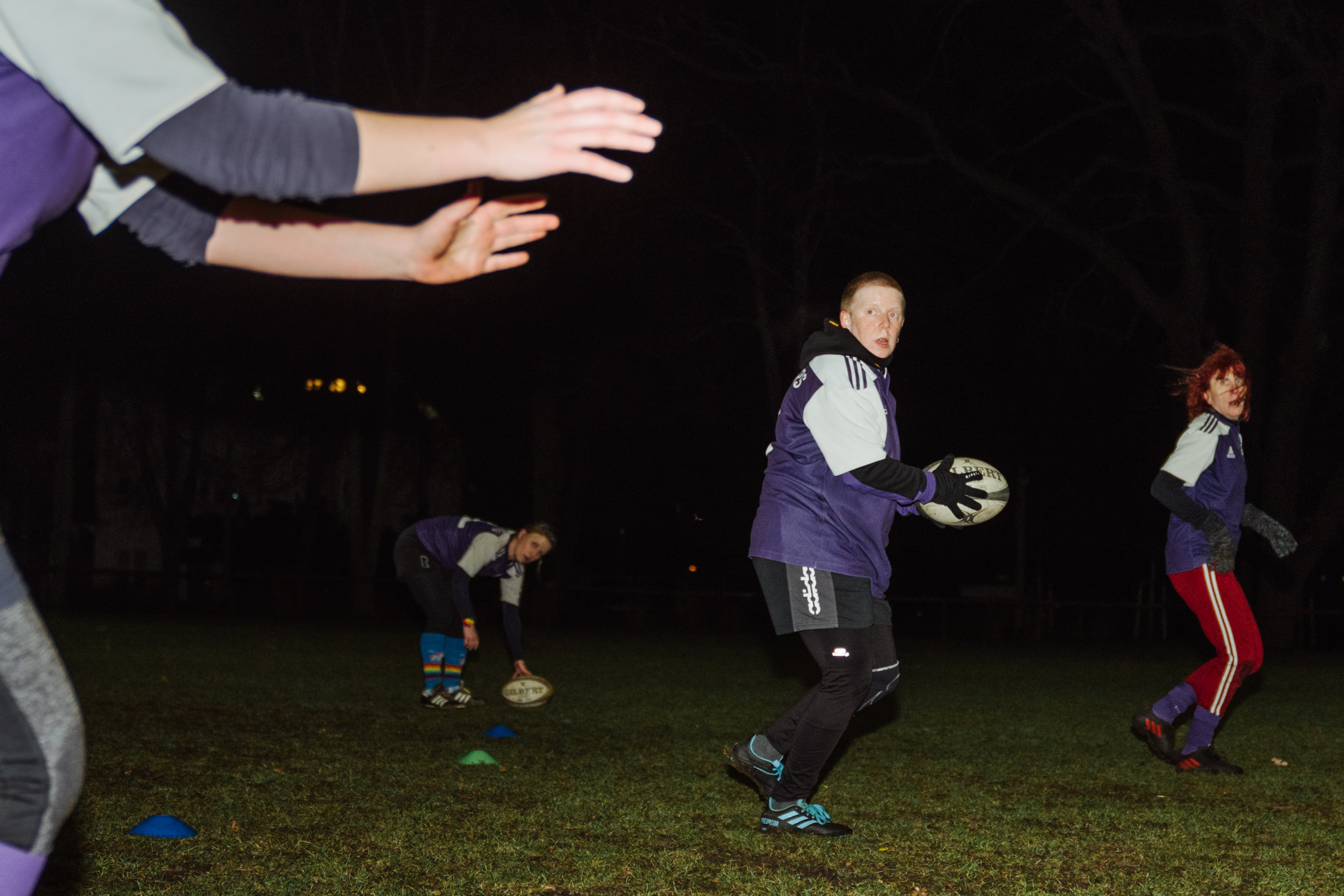
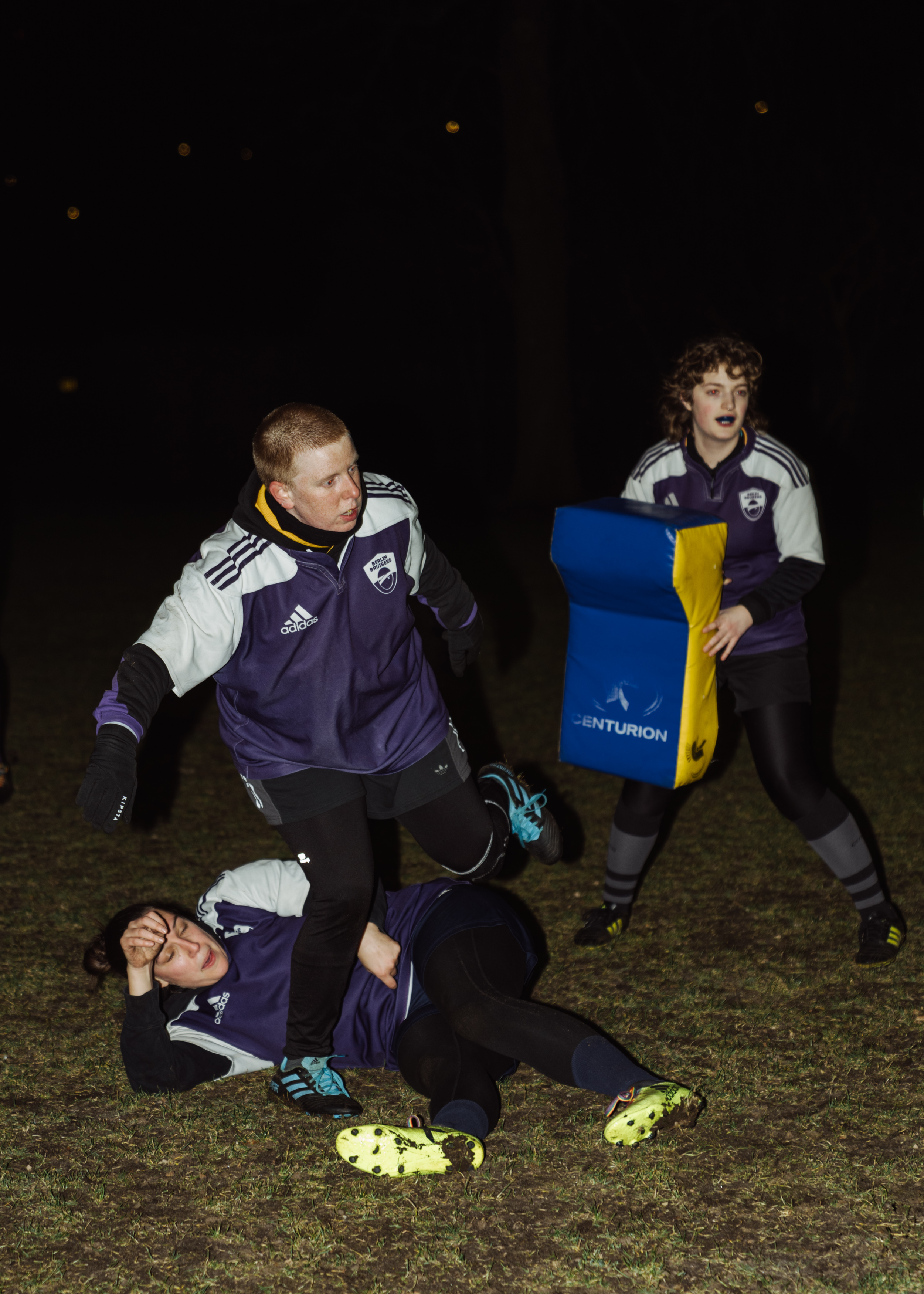
The Berlin Cruisers are the first FLINTA Rugby Team in Germany.
Photographed for taz